

NO MANAGEMENT COSTS

BEST PRICE

SECURE BOOKING

PERSONALIZED ATTENTION

1. Select Dates
2. Select Occupancy
2-0-0
Accommodation 1
Accommodation 2
Accommodation 3
Book here
altText

Lorca’s two visits

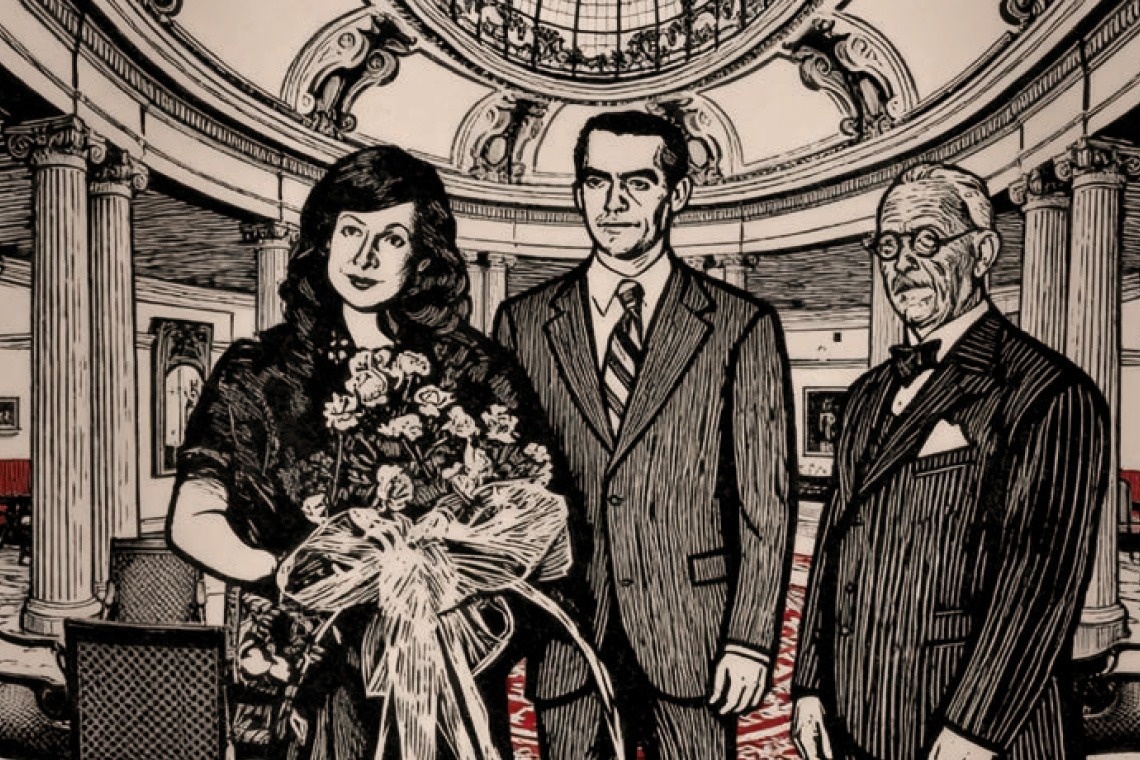
He seemed to choose themost dramatic dates. Or the tensest ones. Chance, some will say. But we are talking about a poet. We will never know the reason why Federico García Lorca visited Bilbao in 1929. It could have been earlier or later, but he did it that year marked in red and with the surname Crash. Chaos had not permeated the United States yet when he arrived in Bilbao. He came to give a lecture titled Imagination, Inspiration, Evasion at the Athenaeum. Shortly afterwards, in April, he left for New York. It goes without saying that it was in that year and city that he created his magical work, Poet in New York. His second visit was on another unsettling date: in late January, 1936. Poetic recital, at the club El Sitio, accompanied by his friend, the actress Margarita Xirgu. The evening was, according to the chronicles, as delightful as it was emotional. The poems in dialogue, so much to the poet’s taste, delighted the audience. Back at the hotel, Xirgu insisted that he accompany her. There was a smell of violence in the air and her idea was to travel the next day to Santander, to embark for Havana. Lorca thought about it. But he decided to return to Granada. The weight of the family won against logic. Some say it was because of a love that awaited him. No one knows how much he meditated that night. When Federico and Margarita said goodbye in the hall, neither imagined that they would never see each other again. She travelled to Cuba and then to Argentina. We already know how he ended. Or not. Because there is something he got wrong. It was in those verses that said “For you have died forever, like all the dead on earth, like all the dead who are forgotten, in a heap of lifeless dogs.” García Lorca died, but only the man did. The myth remains. And his footprint in the air. The most sensitive guests say that, when it thunders outside, the last embrace of the actress and the poet resonates in the dome of the Carlton. And, in the distance, the echoes of war.
altText

De cuarteles y trincheras

Gernika, the most ancient town of the Basques and the centre of their cultural tradition, was completely destroyed yesterday afternoon by insurgent air raiders.” So began the report by British journalist George L Steer hours after visiting the devastated town. There were more bombs.
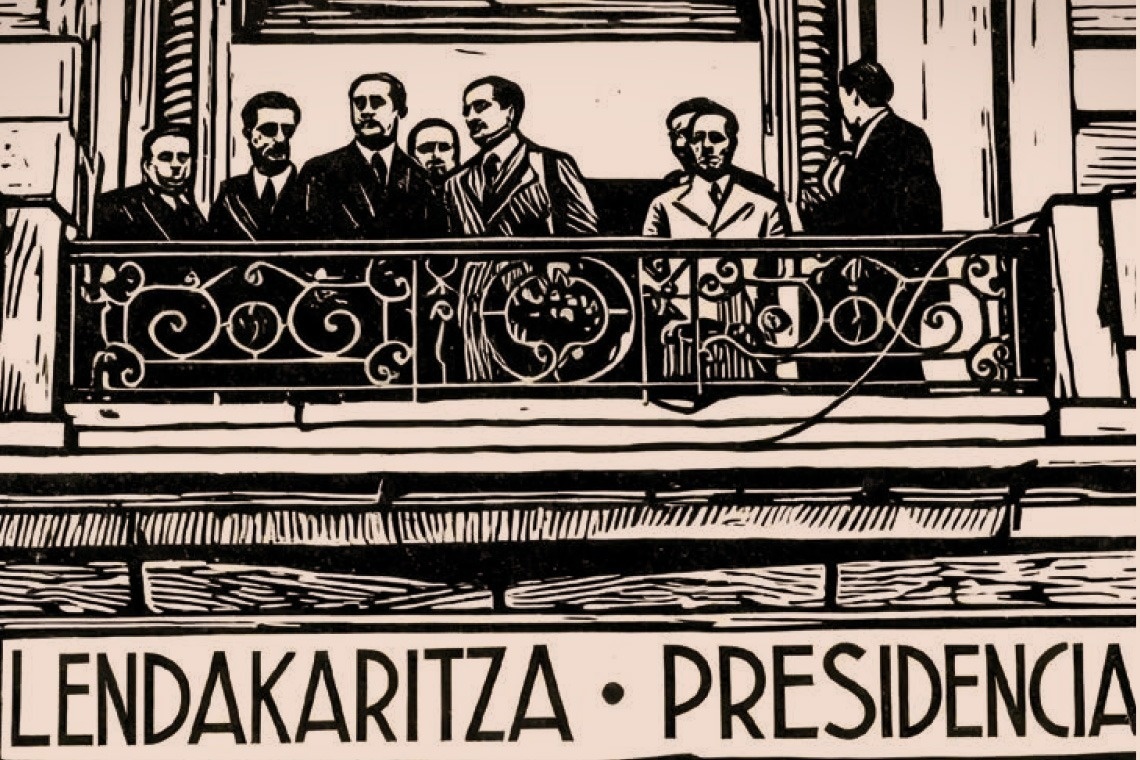
They know it well in Durango or in Bilbao, so confident that it never imagined it would be defeated. During those days of fire and lead, the Carlton became the seat of the Basque Government. That is why Stern was not surprised to see Lehendakari Aguirre contemplating the Plaza from his terrace. The journalist was staying at another hotel, but came to see what was new. There was another reason, though. Chickpeas. Wars sharpen the sense of smell and the stew could be smelt from the Gran Vía. There was nothing else. When he arrived, Colonel Montaud, Chief of Staff of the Euzkadi, had just entered. He had a reputation as a pessimist, but he was a realist. He brought bad news.
The chickpeas, being scarce, were left over on the plates. Aguirre looked at Rezola, Irala and his private secretary, Pedro de Basaldua. They were losing the war. It was urgent to get everything organised before leaving for exile. On 19 June 1937, after the agreed handover of the capital, the Carlton was in new hands. Where the Lehendakari had looked out, the Italian commander was now addressing those present, shortly before, José María de Areilza was sworn in as the new mayor.
Months later, the reporters left for other lands. Or for their homes, when World War II arrived. All this is well known and written down. But how Steer managed to get an extra portion of condensed milk every time he visited the Carlton remains a mystery.
altText

Football on wheels

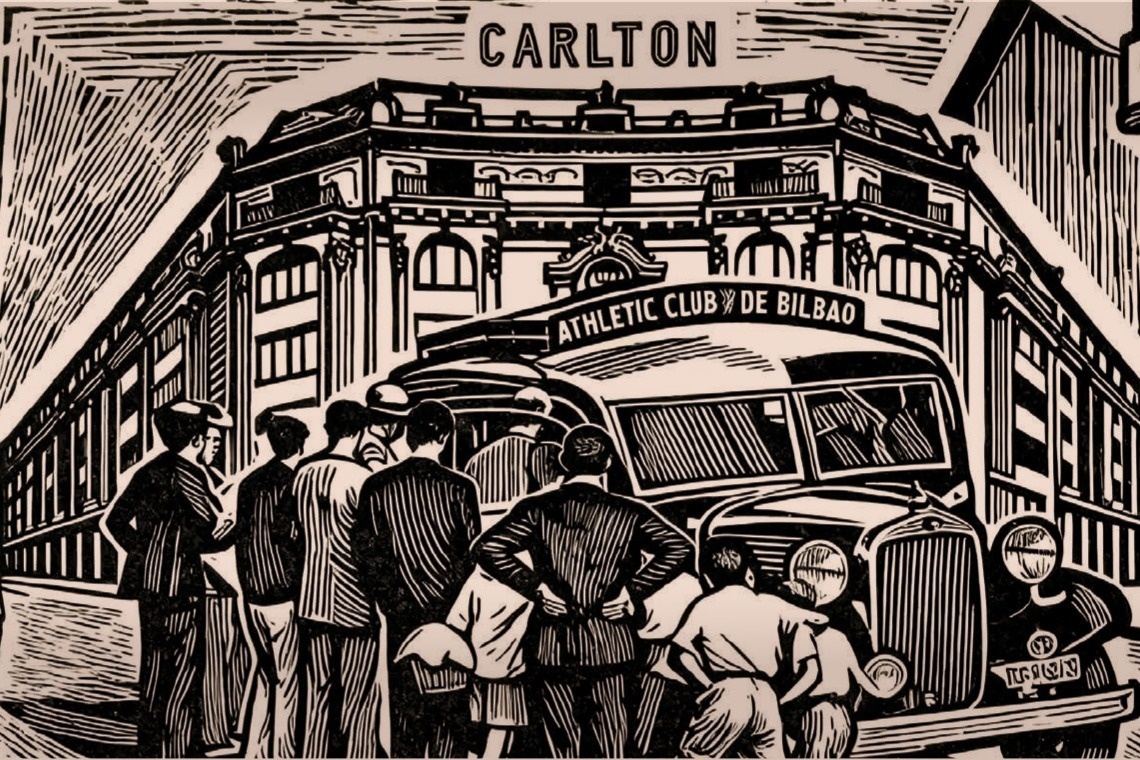
In Bilbao, Athletic Club is not just about football. It is a religion. Even if you hate the sport, if you are from here, you are likely to be a fan of this team. Unless the team have suffered a bad blow that has left them soulless. That is why it is rare to find a corner without the presence of Athletic Club. But there are places that go further. Like this hotel. The image of the players leaving to board the bus has gone around the world several times. This is no accident. Beyond being their usual lodging, they share key moments. In the early decades of football only the lucky teams could travel by coach. The rest, by train or carpooling. But you know that in Bilbao they think big. They rented the coaches until 1948, when they decided to have one of their own. It was thanks to the Arechederra brothers. The signing took place on one of the tables in the Hotel’s Bar Grill. It was not easy. The benefactors, who had made their fortune in Mexico, bought the main body elsewhere. It arrived in the Zorrotza neighbourhood at the end of April. One hundred and fifty days later it was ready to be presented at the Club’s headquarters on Ayala Street and blessed by the chaplain Don Cesáreo. From that moment, it took teams and managers to the pitches of our league and beyond. And because everything has a nickname, they called it The Red Bird. Others followed. As many as the Club has been competing. We are talking about a club born in 1898, the oldest in Primera División and one of only three that have never been relegated to second division. It is the team that chose to be David, when everyone wanted to be Goliath, and win fewer times to gain more. But above all, it is a team that understands that Athletic Club is a family affair. That is why every time a team are hosted, be it this one or another, the carpets of the Carlton smell of footballs and freshly cut grass.
altText

Blood and stars in the grey sands of time

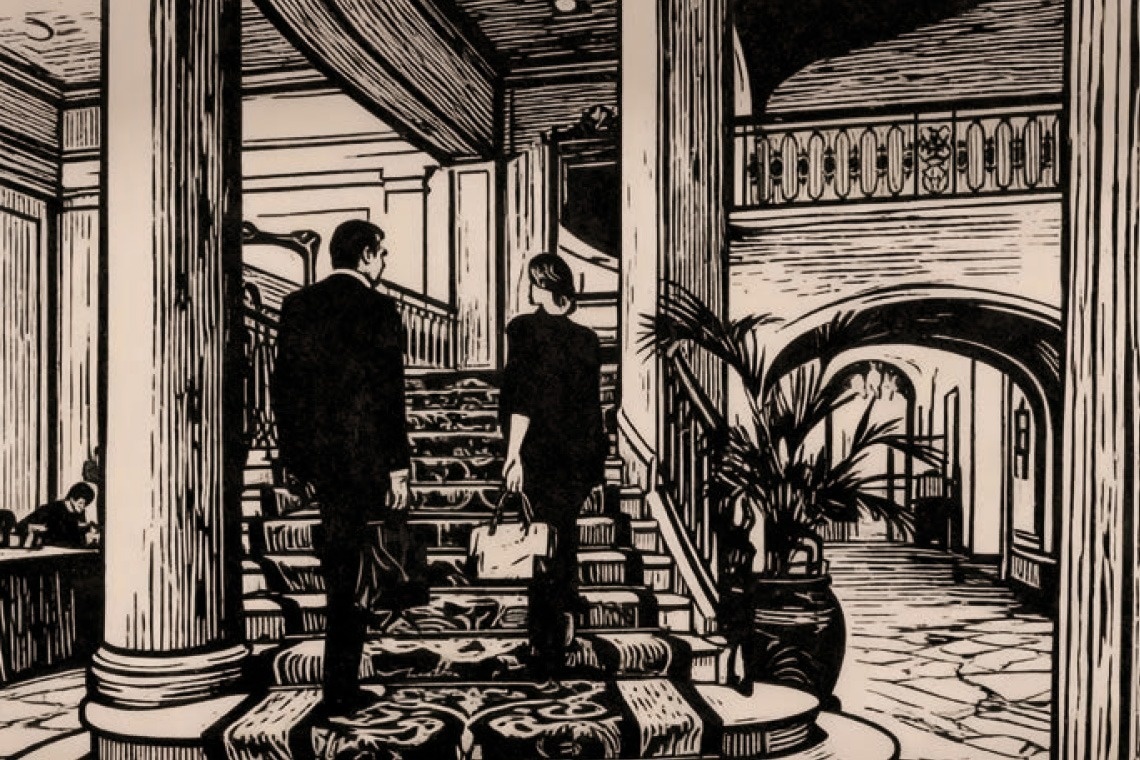
Ava Gardner arrived on Saturday 22 August 1953. Even the carpet blushed as it welcomed her footsteps. First floor. Room 114. She came from London at one of her hardest times. The Grants, who had accompanied her, insisted that she travel with them to Bilbao. They went to the bullfight and to eat at Santi El Marinero. On those benches and between the fish soup and the hake, a certain Luis Miguel Dominguín began to flirt with her. She always spoke highly of Bilbao. The place that allowed her to turn the page and turn the world upside down once more.
She left and the hotel continued to open its doors. And so, we come to 1959. The year of the Cuban Revolution, of the first space probe to reach the moon and of the announcement of the Second Vatican Council. But that August afternoon the news was red blood on grey sand. To the eternal rivalry between Ordóñez and Dominguín it was time to a Bilbao bull. Here the bulls must be brave and big. Their horns always accurate and serious. A Palha bull sent Luis Miguel first to the infirmary and then to hospital. He was advised to rest at the Carlton.
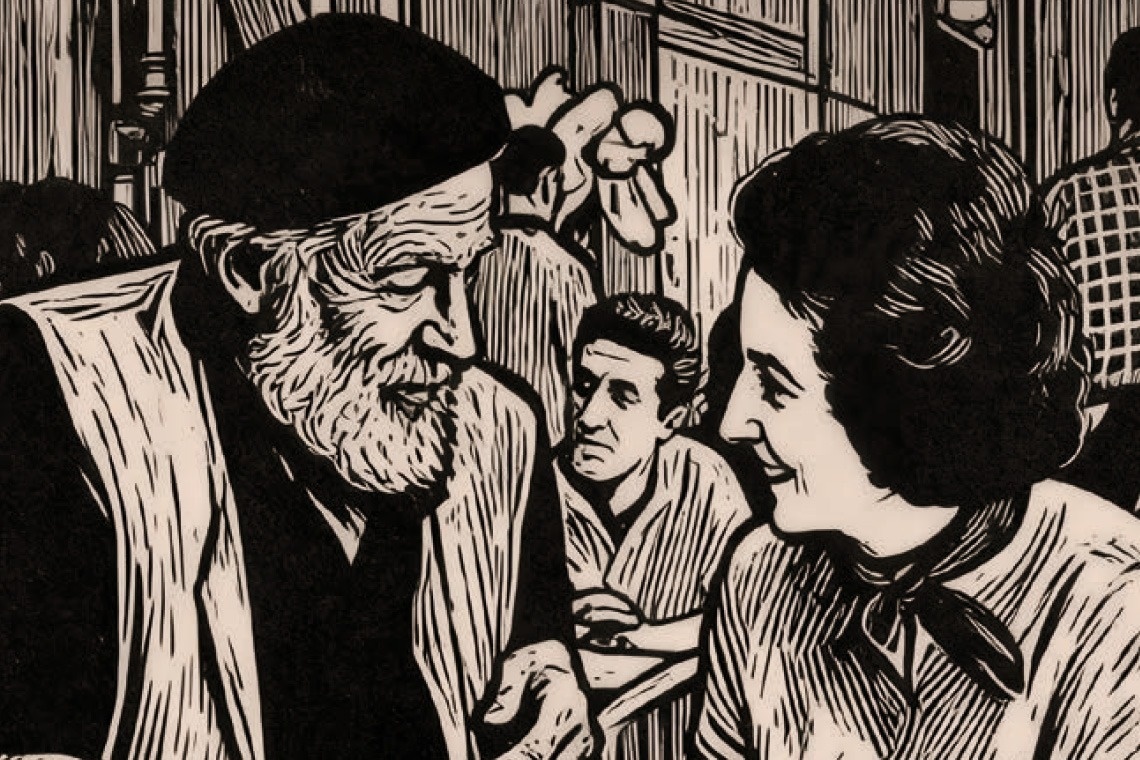
Hemingway, who had witnessed the bullfight, decided to accompany him. It didn't take long for Lucía Bosé, wife of the bullfighter, to arrive, and what were to be days of convalescence and rest turned into laughter and partying. This was always the case when Ernest was around. It was not the only time. In fact, Bilbao appears in Death in the Afternoon, 1932, and in his acclaimed The Sun Also Rises. Also in The Dangerous Summer, where he mentions the Carlton and praises its rooms. One of his closest friends was the Bilbaoborn Juan Duñabeitia. When he wrote his wife, Mary Welsh, a letter from the Carlton on 20 August 1959, he did not forget to mention how good the food was at his friend's place. He must have liked it, because he returned in 1960 with Lauren Bacall and with Bill and Annie Davis, whom he had met in Mexico. He appeared in a Lancia, christened La Barata and driven by Mario Cassamassima. “Bilbao is an industrial and shipping town set down in a cup of hills on a river. It is big, rich, solid… It is a big money town and sporting town and I have many friends there. It can be hotter in August than any place in Spain except Córdoba.” These are some memories that he left about our land.
But there is something he did not write. On his last visit, he asked to go to the beautiful town of Mundaka. Buried there was his friend, Andrés Unzain, a priest from Kanala who had emigrated to Cuba and was known by some as the “red father”. As soon as they met, Unzain became his spiritual guide. It is said that it was he who told the writer the story of an old local fisherman who slept under the sails of his small boat, with which he travelled along the Basque coast. You can put the pieces together. What he found in Mundaka was a grave. Humble like its inhabitant, the priest whom Hemingway called “Don Black”. He asked to be left alone at the graveside, accompanied by the echo of the turf. He cried and talked to him, as only a friend does, and never returned.
A year later, the Nobel laureate left this world.
altText

The loneliness of La Divina

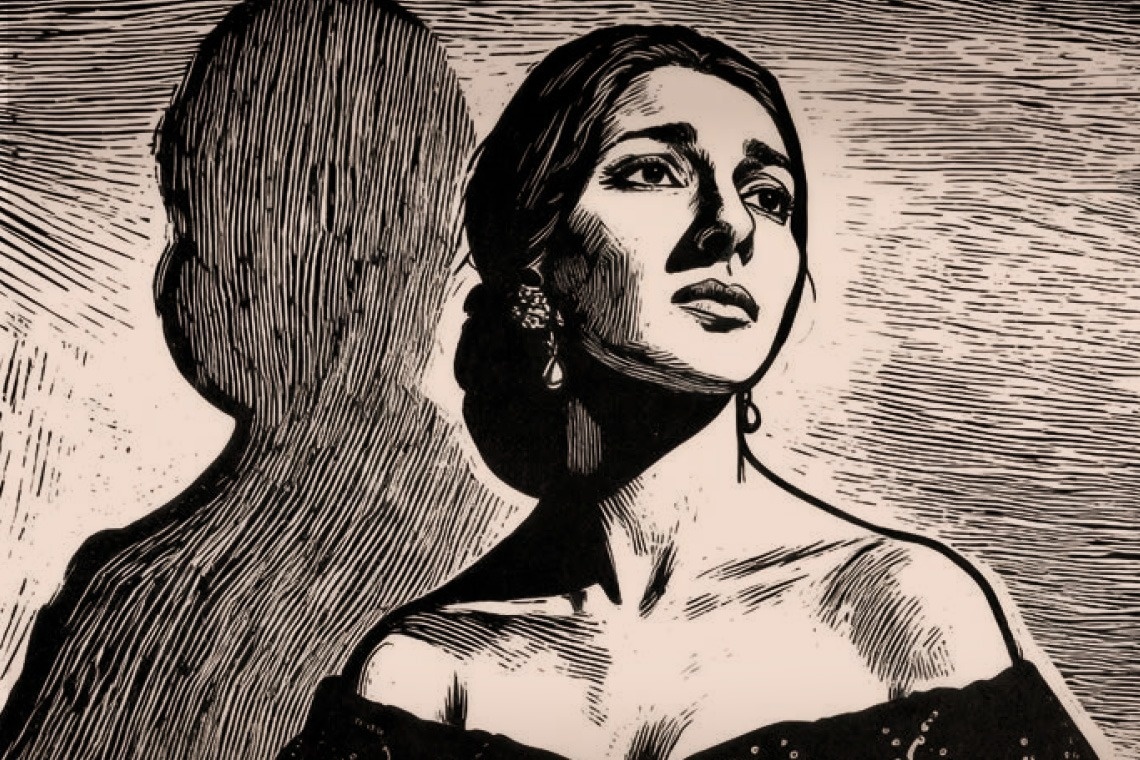
Blue coat and red scarf. Elegance from the first step on the stairs. La Divina was in Bilbao. It was 7:40 a.m. The aircraft, a four-engine Olympic Airways Skymaster, owned by Greek millionaire Aristotle Onassis.
Despite rumours of cancellation, Maria Callas did perform. When Juan Elúa, representing the Bilbao Association of Friends of the Opera, saw it land, he took a deep breath. She, in a taxi and he, in a brand-new SEAT 600. That is how they arrived. The entrance to the Carlton was packed. They wanted to contemplate the myth. She got out of the car holding a bouquet of flowers and waved. She needed a rest. Not so much because of the journey, but because of the doubts surrounding her romance with the tycoon. He brought her the joy that her husband had not. But it was not all days of wine and roses. Too many thorns. Her stay in Bilbao, as she confessed, was one of balance and decision making. But first and foremost, she was an artist. And she had to prove it. That is why she sang, even though that night her soul ached and, who knows if that is why, also her throat. Some say she was sublime, others that it was not her best performance. Sometimes a wounded voice is the most beautiful. Imperfect.
Sincere. And pinching. She barely left her room. Mechanical problems forced her to sleep on the plane before returning home. She had the option of staying at the Hotel, but she needed to go back. The rest is history. That of a woman who suffered as much or more than her characters. Neither here nor thereafter did she cease to be the great Callas. No one knows what she thought that night.
altText

Those bizarre 70s

The late 60s and early 70s were years of black and white TV and increasing colour on the streets. A timid change, but guests combined classic airs with new breezes. Just like the Carlton, although it maintained its orthodoxy. Bellboys in light blue uniforms with a mandarin collar and the name of the hotel in gold lettering. It was still a time of trunks, when travellers looked more like they were moving house than taking a trip. Shoes were left outside room doors, to be taken down for shining. Today’s management insists that most important during the past century were the guests and the staff. This spirit can be personified in the maître d’ Aniceto Salegui Elduayen. He was a child forced to overcome misfortune. After the Civil War, he left his beloved Navarre for a concentration camp where he was the assistant to a Nazi commander. In time, he made a career for himself and learnt five languages. But there are experiences that leave scars. He would not allow new employees into the dining room until they had undergone 15 days of training to learn how to serve and the names of all the wines and beverages. The waiters and the maître d’ were dressed in tails. No jewellery other than wedding rings. Guests’ chauffeurs were accommodated on the first floor. And then there was the detail of the omelette. Finished in two peaks. Signature of the house. The artists who arrived during theatre weeks knew this well. Many were making their début in Bilbao, knowing that it was the perfect test before Madrid. It was a decade in which we changed our pace on the road to democracy. And so came the hectic 80s and the fleeting 90s that led to the new millennium.
altText

Old beams new course

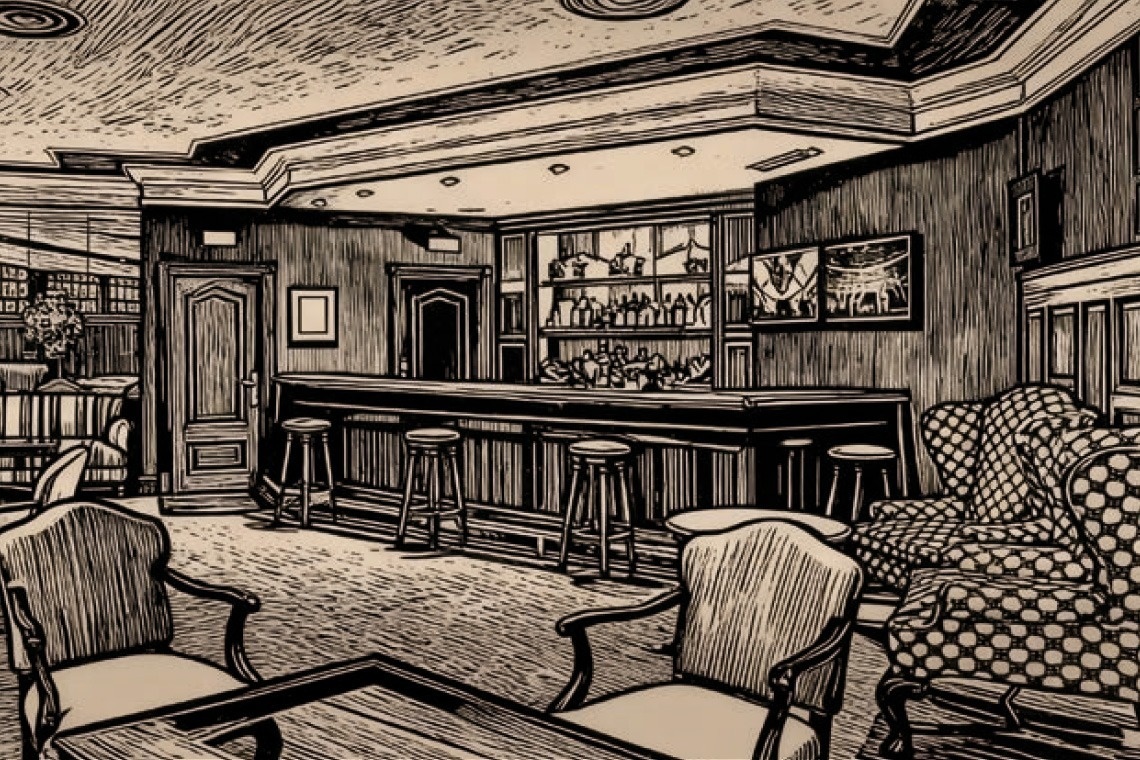
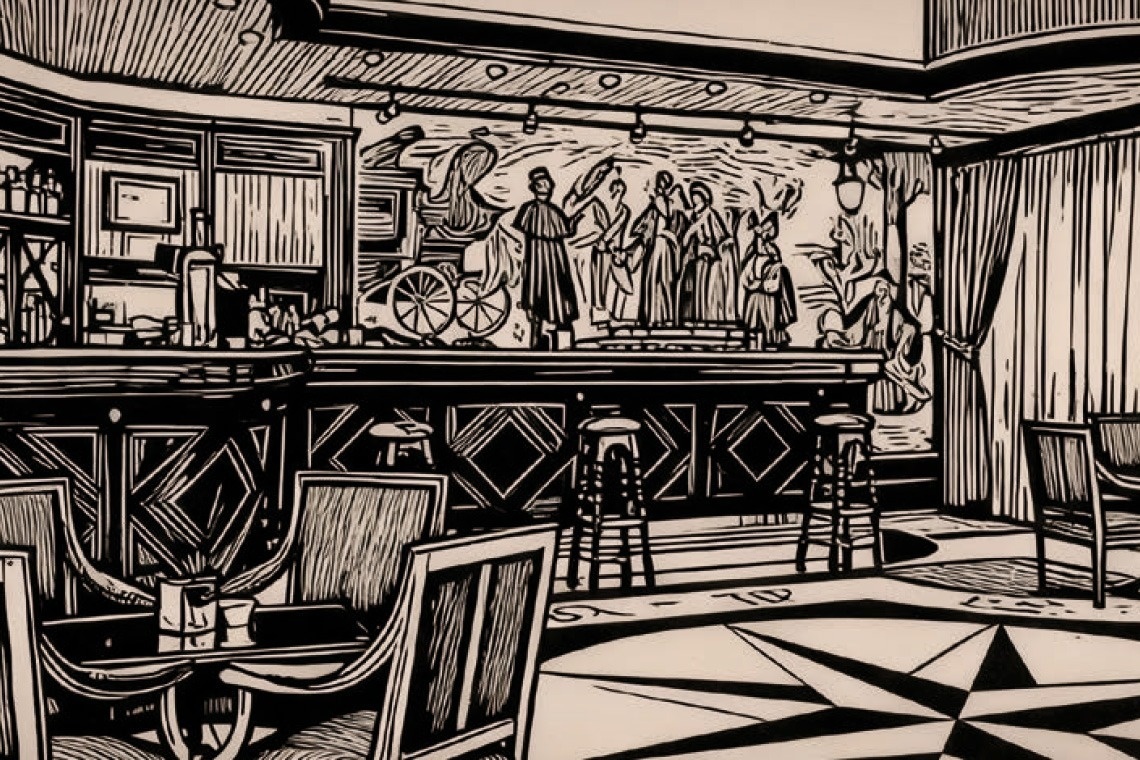
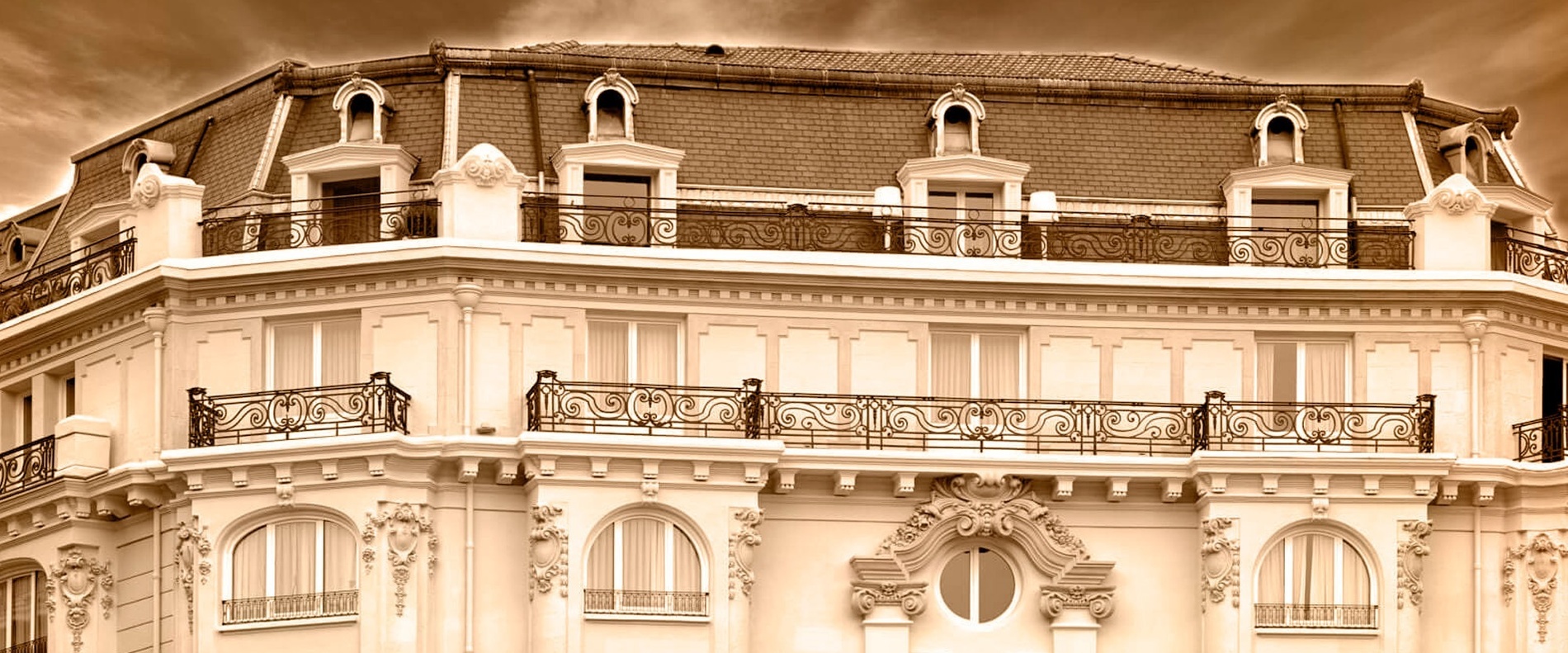
On 1 April 1994, the Carlton was presented with a new face following renovations undertaken by the new owner. The hotel’s designer, Manuel María Smith, was not only a great architect. He was also a visionary. Only someone with perspective could envision a building with openings meant for developments that no one else could have imagined in 1926. The work was not without its surprises, however. One, in the basement. It had always housed boilers and coal. It had to be converted into a usable floor with lounges. They were doing so when the bulldozer hit a wall. When they pushed it aside, they discovered a hole. It was neither brick nor stone. A wooden door. They opened it and pointed their torches. This is how they discovered the bunker. It had been erected at the beginning of the Civil War. It contained hardly any furniture. Only two chairs, that now inhabit one of the main corridors. Two newspapers from 1936 were found on the floor. Little else. Today it is the elegant English pub which, unsurprisingly, is known as the Bunker. Those who were there in 1937 claim that it was never used. But it is still there. Now for the enjoy ment of guests. In it hang the photo graphs of friends who remind us of the reasons that led them to Bilbao.
altText

Pavarotti and the silver screen era (007 and other films)

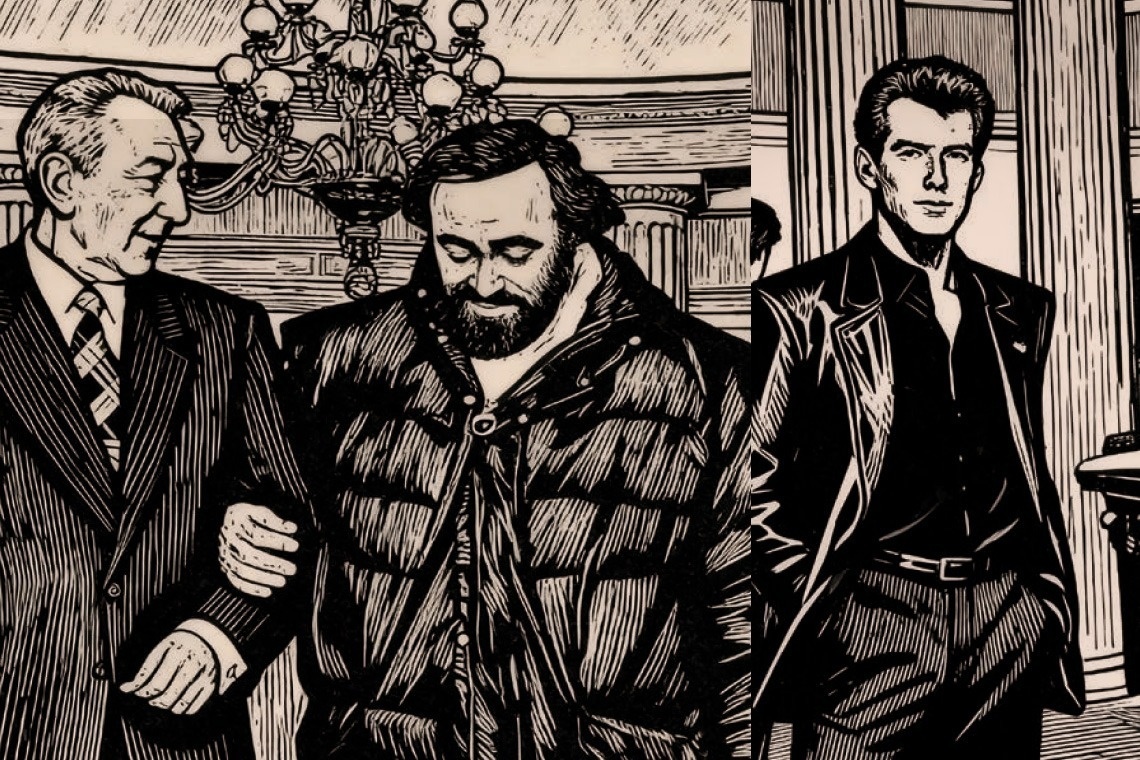
He gazed upon at the slices of battered hake as if they were a priceless treasure. He didn't look very heavy back then, but he showed promise. And he was as crazy about the dish as he was about the cod in pil-pil sauce. He used to enjoy it after a stint at the JK cocktail bar. That was Pavarotti. Faithful to the menu, and to friendships, since he first arrived in 1970. Eight years later, the visit began with a more eventful start after forgetting his bag, documents and money in the airport cafeteria. All ended well. He came back more often and with fewer scares. The last time, in 1998, to sing in a packed San Mamés stadium, under threatening clouds.
Weather that Pierce Brosnan would have welcomed when he came to be James Bond in The World is Not Enough. His descent down a rope in front of the Guggenheim is part of those mythical 007 opening scenes.
Little else could be shot in the persistent rain. What few people know about is the producer’s unique request. When the actor arrived at his room, an ice bucket with a bottle of Dom Pérignon was waiting for him. Brosnan was not asking for it, the character was. Jon Nieve, on the other hand, was more spartan in room 313. Game of Thrones has travelled the world to create imagined kingdoms, but even great warriors must rest. They did, at the Carlton.
They narrowly missed Jackson Brown and his guitar. Or with Chrissie Hynde and the Pretenders. Admired Rock and Pop voices who stayed in the same places that, before and after, other legends did. The list is as long as the musical notes on an infinite stave. Which brings us back to the beginning.
altText

The secrets to be discovered

We started these lines with the child touching a wall looking for a tunnel. The one they say started from the hotel towards the nearby Plaza de Moyúa. Those of us with grey hair call it Plaza Elíptica. We told you that no one knows for sure if he is really in the Bunker. But they did not believe it existed until the wall came down. And there are tell-tale holes, vents visible under the entrance steps. You can see that, despite being a century old, we still have a lot to discover. That is why we thank you for this visit to our centenary friend, ready to share fragments of this while they call life. It was hard for us to be born and several times we were on the verge of death. Or to be something else. Turning 100 years old does not mean looking back with nostalgia, but opening up to the future with the same essence: elegance, hospitality and attention to every person who walks through the doors. The guest is the protagonist. We are launching a new era. We do not know where it will lead. Nor does it matter. Relax and enjoy your stay. Thinking no further. After all, there is no better traveller than one who lets themselves be carried away.

Hotel Carlton
100 años abierto al mundo desde el centro de Bilbao

IDEAL LOCATION

in Bilbao

Hotel located in the center of Bilbao in Plaza Federico Moyúa, 2. (48009 – Bilbao)

In Low Emission Zone [ + info]

Contact:

carlton@aranzazu-hoteles.com
34 944 16 22 00 Hotel located in the center of Bilbao at Plaza Federico Moyúa, 2. (48009 – Bilbao)

Updating to continue with your reservation